News
Published brokerage updates and market posts.
News
Published brokerage updates and market posts.
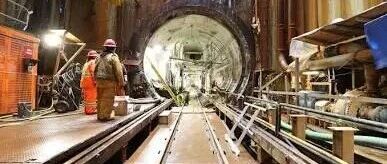
Metro Vancouver's Stage 3 water restrictions starting June 8, 2026, are directly tied to two massive underground infrastructure projects—the $495M Stanley Park Water Supply Tunnel and the award-winning Second Narrows Water Supply Tunnel—reshaping water security and long-term neighbourhood resilience across Vancouver, Burnaby, and North Shore communities.
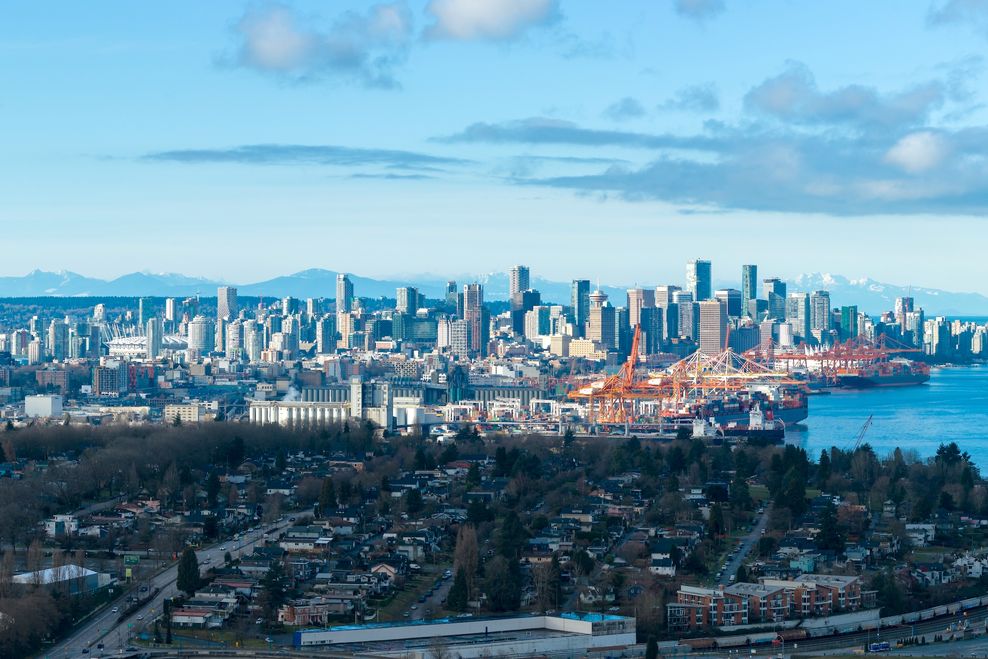
The City of Vancouver has launched its first comprehensive review of the 1997 Higher Buildings Policy, with Chief Planner Josh White revealing intense public interest and a timeline targeting Spring 2027 for final Council decisions. The review addresses downtown land scarcity, 2024 view cone changes, and the fact that Burnaby now hosts Metro Vancouver's tallest towers, creating strategic considerations for buyers evaluating downtown pre-sales against suburban high-rise markets.
Royal LePage reports massive surges in American web traffic during geopolitical crises—up 233% year-over-year in April 2026—while new citizenship laws fast-track thousands of U.S. applicants, creating a new category of potential buyers for Vancouver's luxury and border-proximate markets.
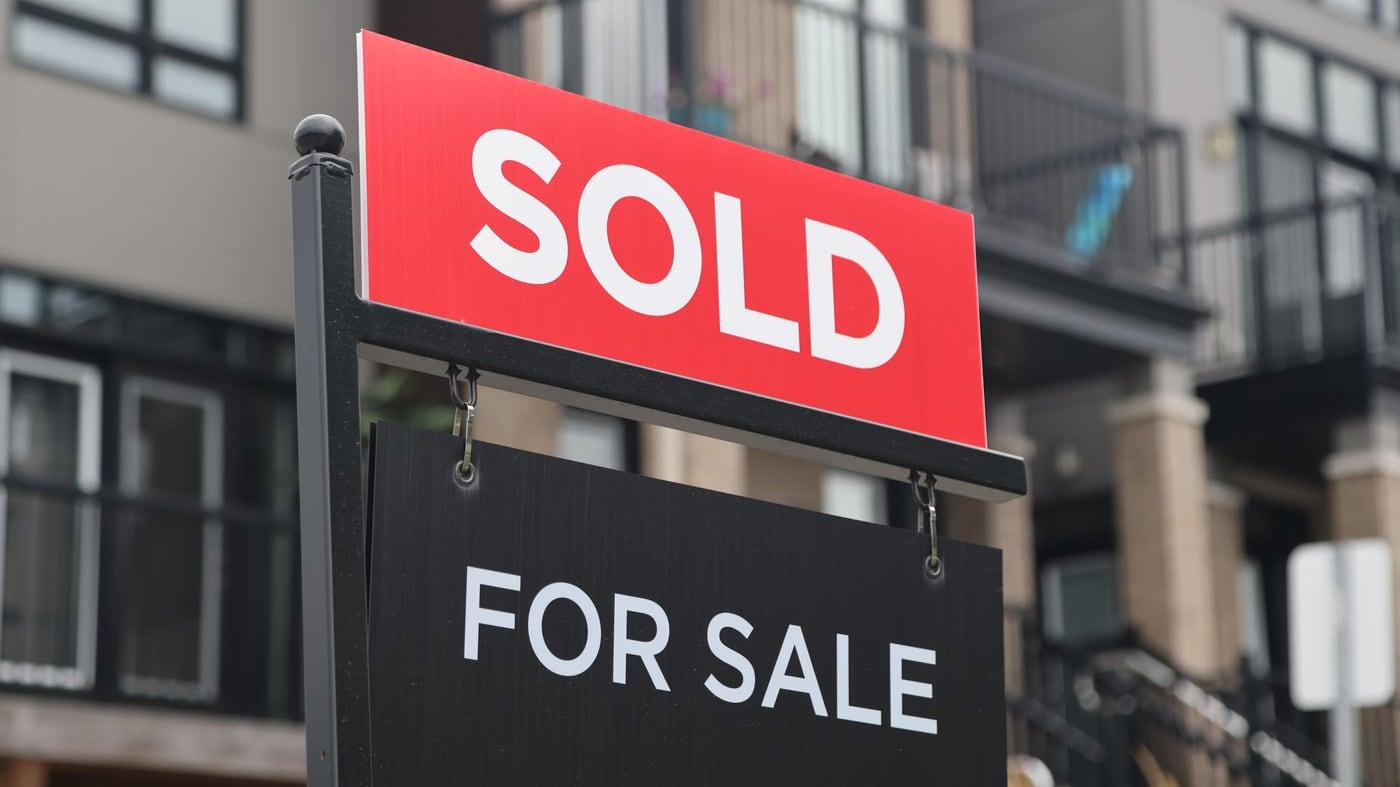
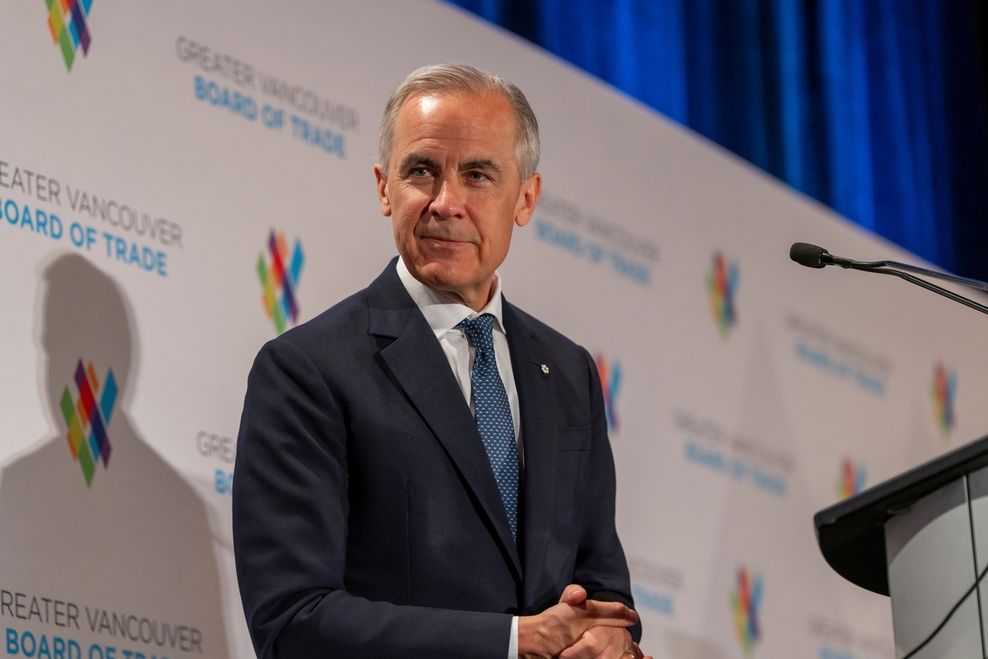
Prime Minister Mark Carney announced early-stage federal discussions to slash B.C. development charges by up to 50%, potentially saving $200,000 per new home, while warning that B.C. must move fast on housing and energy projects or risk losing federal investment to other provinces.
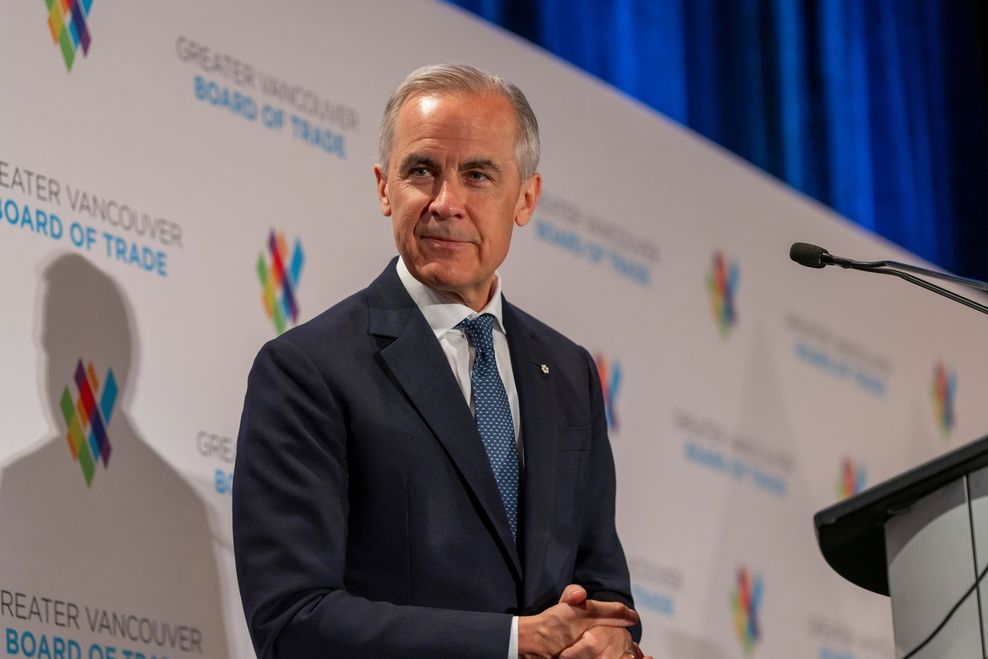
Prime Minister Mark Carney told Greater Vancouver business leaders that Ottawa is in early discussions with B.C. to mirror Ontario's temporary 50% cut to municipal development charges on new housing, a move that could reduce project costs by roughly $200,000 per unit and reshape pre-sale economics in Metro Vancouver.
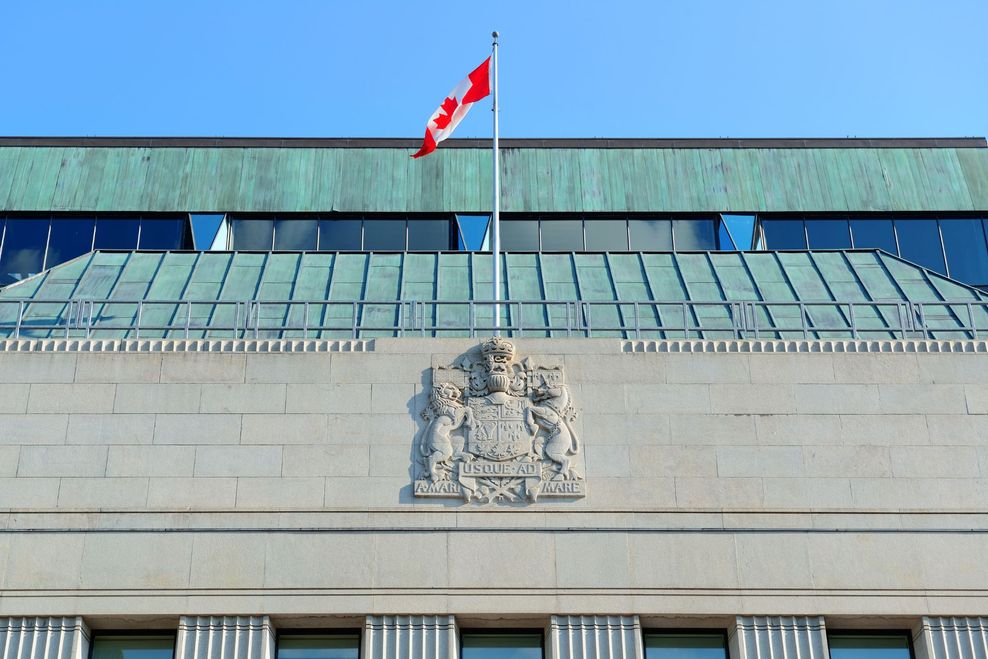
The Bank of Canada is expected to hold its key interest rate at 2.25% on June 10, 2026, as policymakers balance Canada's first technical recession since 2020 against inflation risks from the US-Iran conflict and oil price spikes. For Greater Vancouver buyers and homeowners, this means the waiting game for cheaper borrowing costs continues, while the threat of future hikes remains if geopolitical tensions persist.
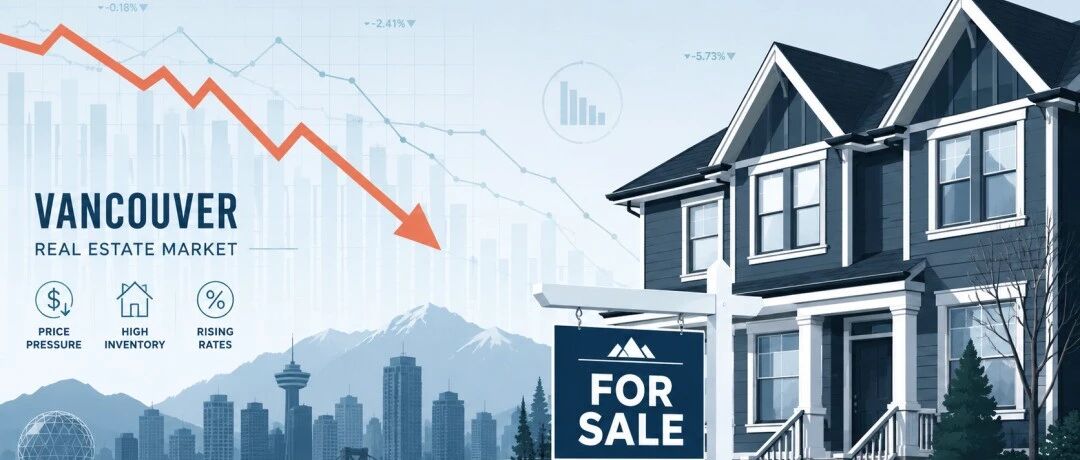
Greater Vancouver's May 2026 data shows apartment sales down 7.2% year-over-year while detached sales edged up, with total inventory 34.6% above the 10-year average creating a split market where detached buyers gain leverage but apartment sellers face stiff competition.
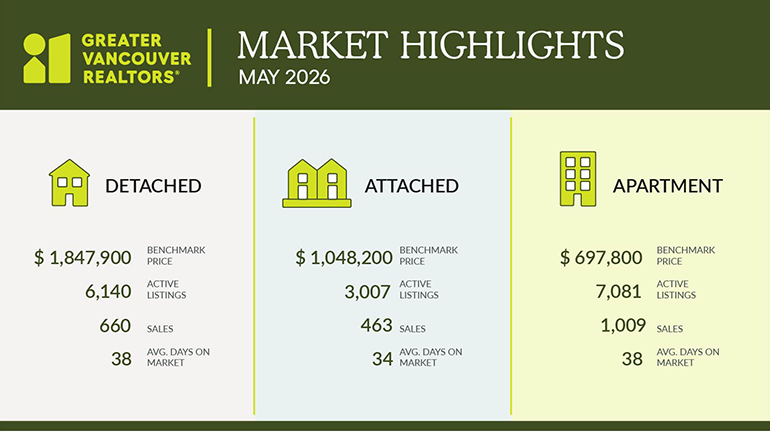
Greater Vancouver home sales fell 3.5% in May 2026 as weak condo activity dragged down the market, with prices down 6.2% year-over-year but flat month-over-month, signaling a potentially calm summer ahead for selective buyers and realistic sellers.
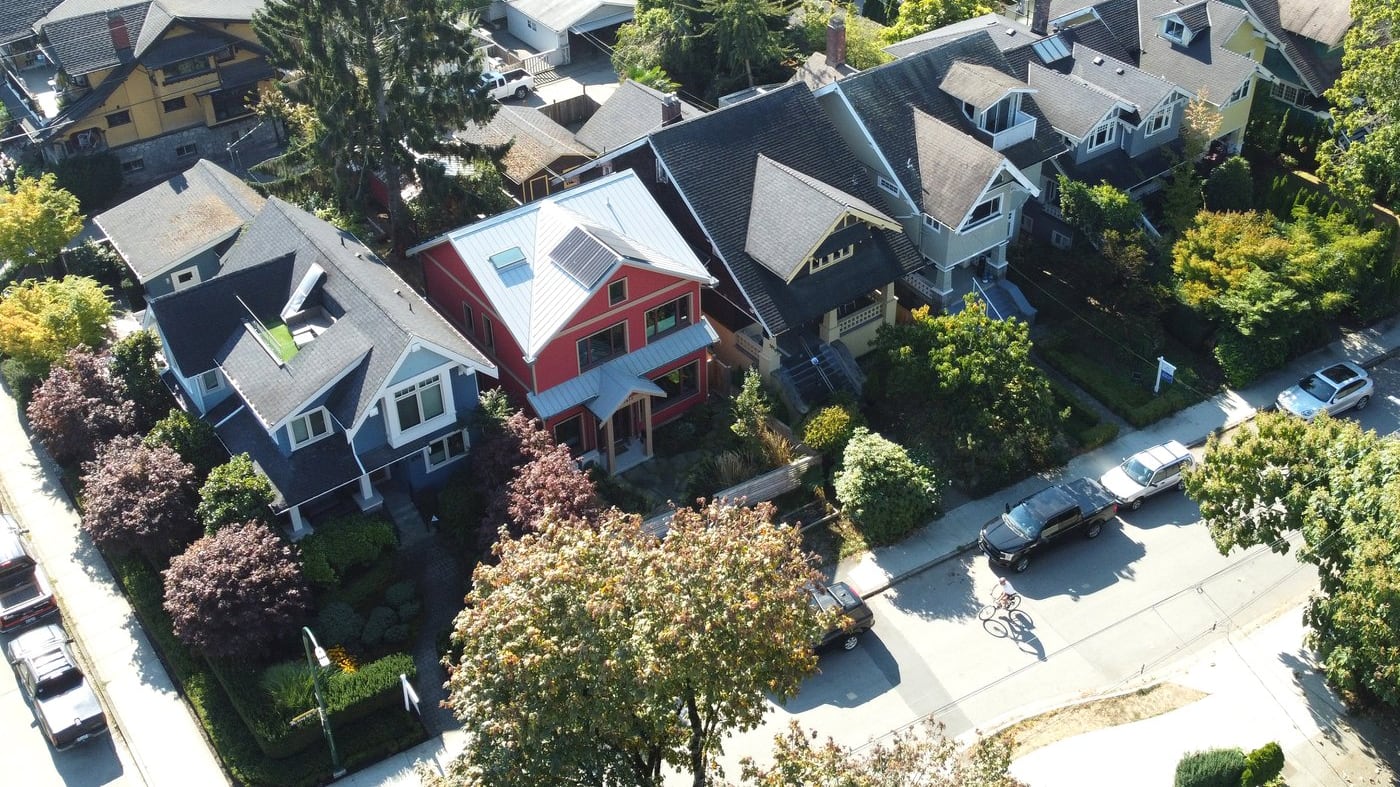
May 2026 GVR data reveals a market paralyzed by the mortgage renewal cliff, with sales down 26.6% from seasonal averages and inventory up 34.6%, as 60-70% of homeowners face payment shocks of $800-$1,000 monthly while buyers wait on the sidelines.
Metro Vancouver will implement Stage 3 water restrictions on June 8, 2026, banning lawn watering and pool fills due to low snowpack and infrastructure work, with potential relief by late July. For local real estate, this creates immediate due diligence questions around water features, landscaping maintenance costs, and property presentation during the peak summer selling season.

Canada is pushing to renew the CUSMA trade agreement for 16 years ahead of the July 1 review deadline, as the U.S. pursues separate "bifurcated" negotiations with Canada and Mexico. For Greater Vancouver buyers and sellers, the outcome could shape economic stability, employment confidence in trade-dependent sectors, and buyer psychology through the summer market season.

The first three towers of Senakw—Canada's largest Indigenous-built housing development—will open for occupancy this summer as the Squamish Nation brings significant rental supply to Vancouver's constrained market, testing appetite for Nation-led urban housing.