News
Published brokerage updates and market posts.
News
Published brokerage updates and market posts.
Home sales across Greater Vancouver and the Fraser Valley rose in June 2026, with Metro Vancouver seeing its strongest year-over-year gain since the rate hikes began, yet benchmark prices continued falling across all property types, creating a high-inventory buyer's market that has sellers and investors waiting for a floor.
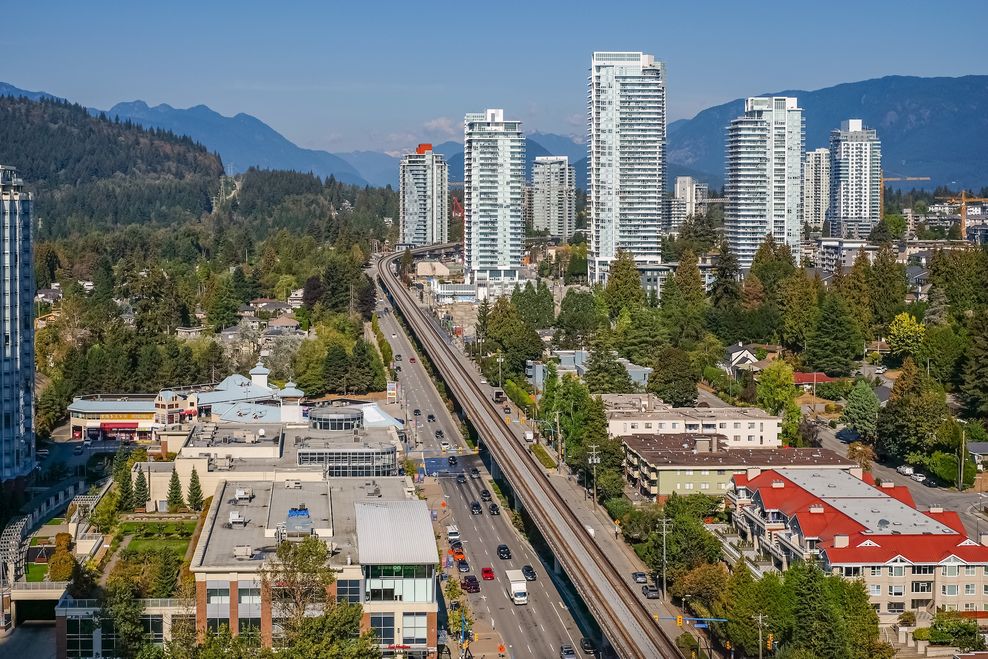
Ottawa has committed up to $3 billion to replace the aging Massey Tunnel, two weeks after B.C. fired the original contractor over ballooning costs that may now reach $11 billion. For South Delta homeowners and investors, this federal backing signals the critical artery will eventually get built—but the timeline and cost overruns create a complex window for real estate decisions.

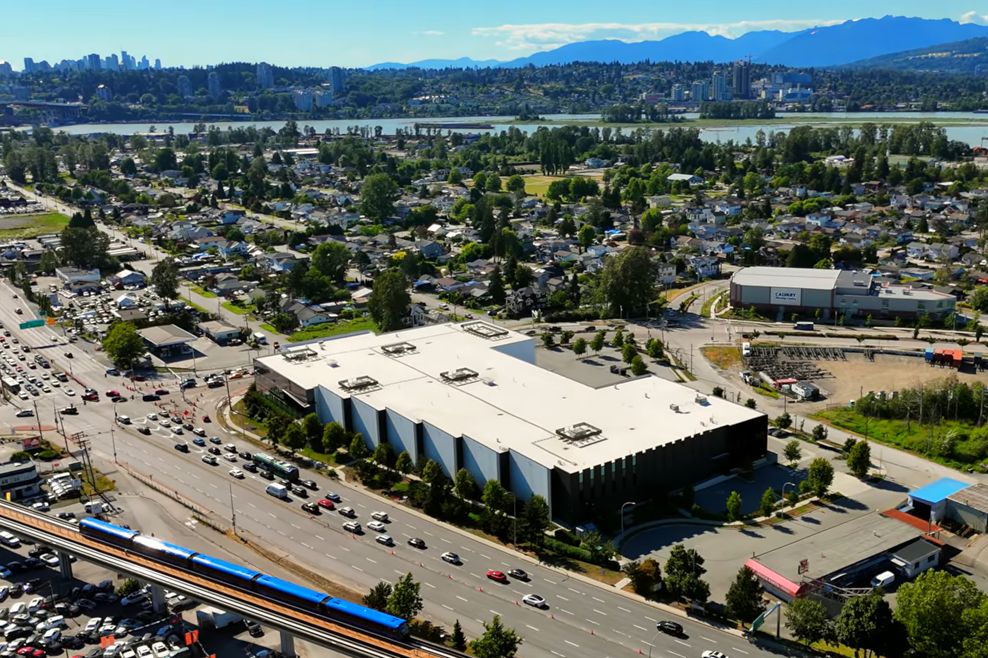
Moment Energy has opened the world's largest EV battery repurposing facility in Surrey, creating over 1,000 jobs and signaling a major shift in Metro Vancouver's industrial base. For real estate, this validates Surrey's transition from bedroom community to high-tech employment hub, with specific implications for housing near industrial corridors and commercial property valuations.
B.C. developers through the Urban Development Institute are pushing back against provincial proposals to purchase unsold condo inventory, preferring instead the removal of GST or direct purchase price subsidies. This policy divergence signals important implications for pre-sale buyers and investors watching new construction liquidity and completion risks across Greater Vancouver.
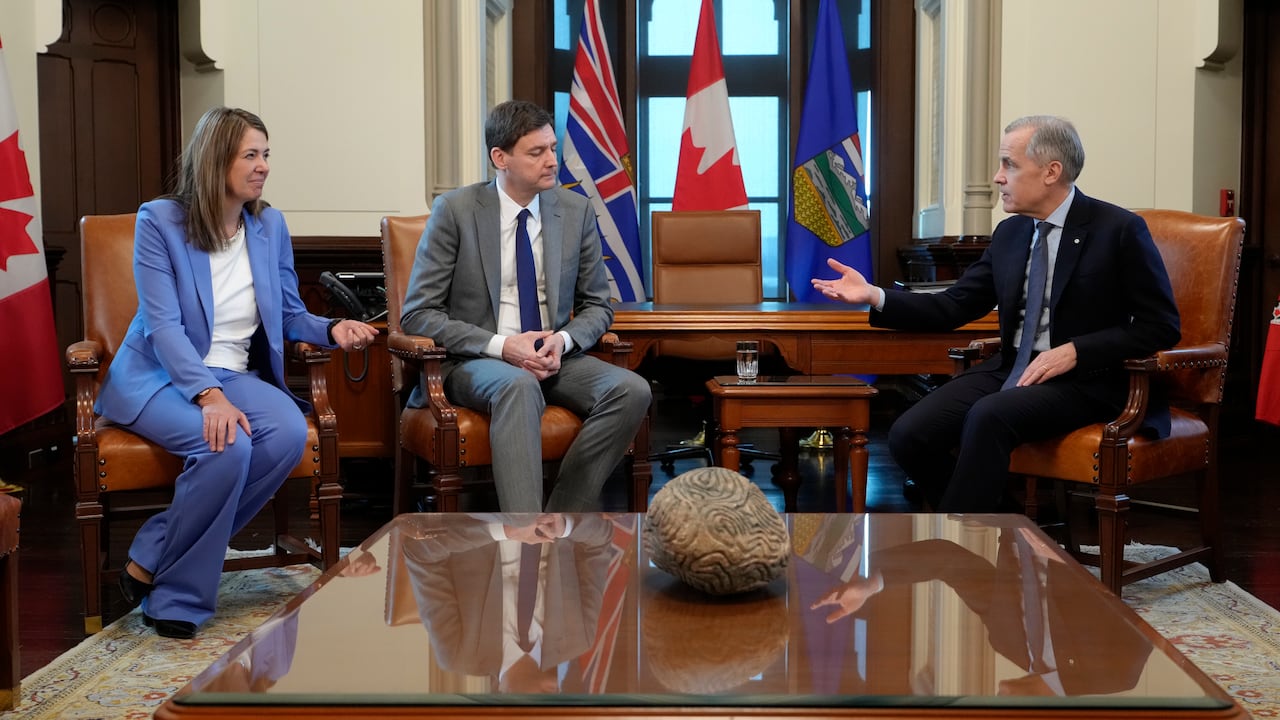
Premier Eby and Prime Minister Carney announced a multi-billion-dollar 'prosperity partnership' Thursday, keeping the North Coast oil tanker ban in place while Alberta pushes a competing pipeline proposal—creating distinct signals for northern and coastal property markets.
The Province has partnered with BC Hydro, FortisBC and Ottawa to expand the Energy Conservation Assistance Program (ECAP), delivering no-cost heat pumps, insulation and weatherization to over 7,600 income-qualified households. For Greater Vancouver buyers and landlords evaluating older housing stock, this creates a new due diligence factor: distinguishing between subsidized upgrades that reduce monthly carrying costs and private renovations that command resale premiums.

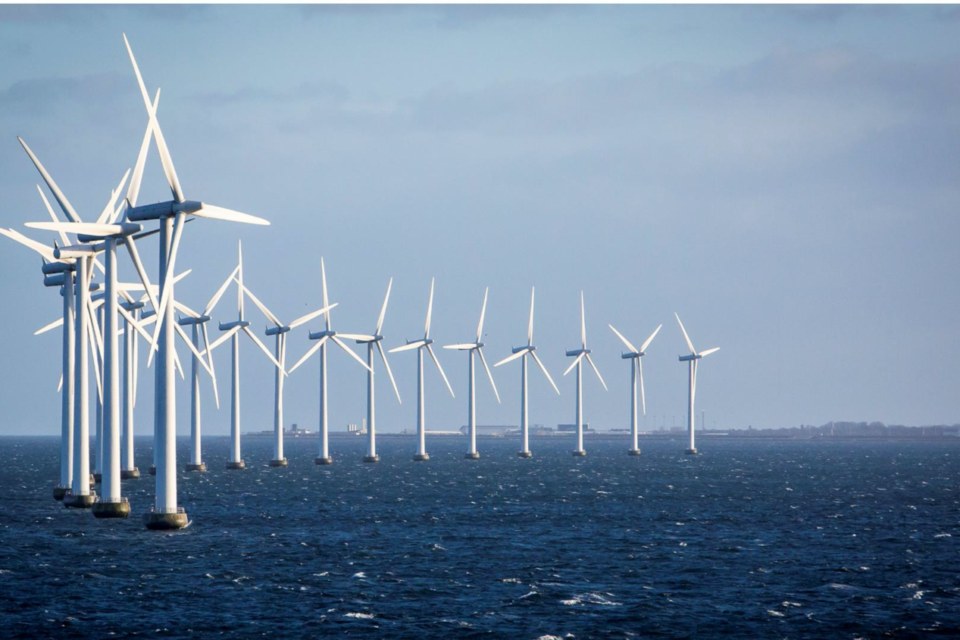
BC's new electricity plan targets only 50% supply growth by 2050 despite a provincial promise to double capacity, creating a 110% planning gap that threatens industrial expansion and residential electrification timelines.
New Westminster became the first Canadian city to mandate maximum indoor temperatures for rental units, requiring at least one living space to stay below 26°C during overnight hours. For buyers and investors targeting older walk-up buildings from the 1960s to 1980s, this creates new compliance obligations and potential retrofit costs that could affect cash flow and property valuations.
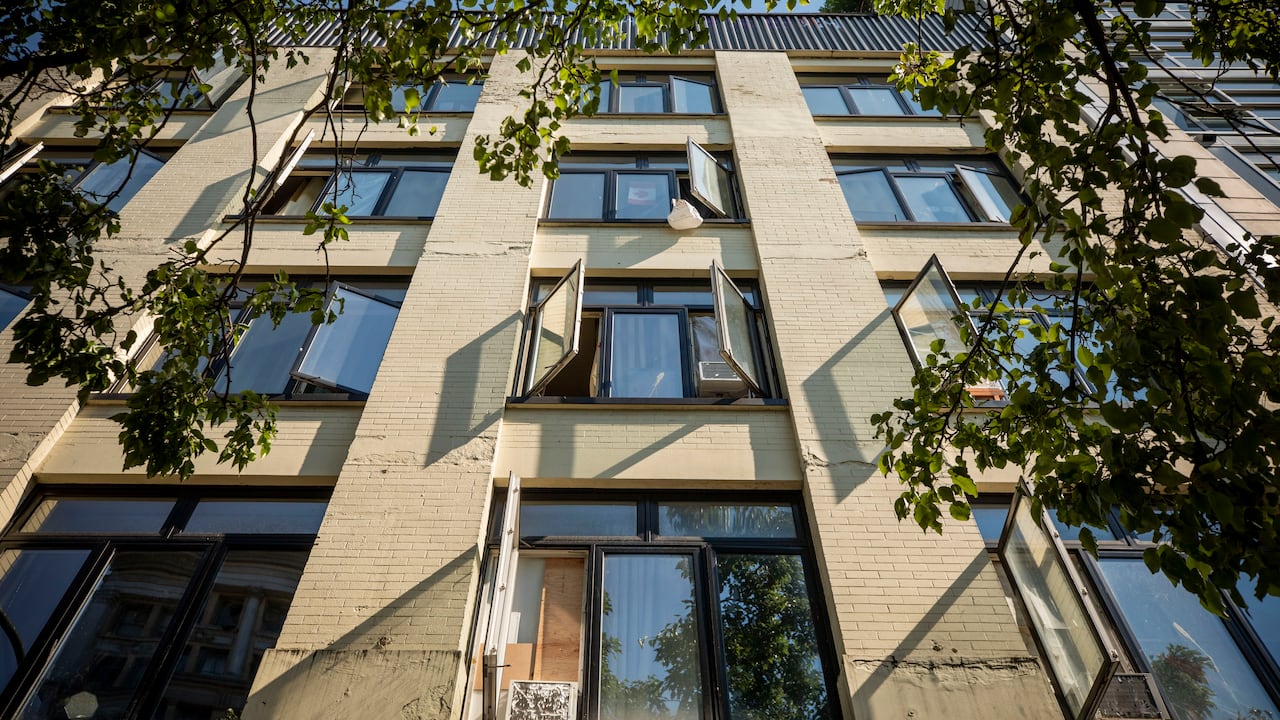
A charter boat carrying 10 people sank near Roberts Bank off Richmond on Sunday, leaving six missing and four rescued in a major search operation involving military aircraft, Coast Guard hovercraft, and multiple marine rescue stations. For buyers and owners eyeing Richmond waterfront property, the incident is a sharp reminder that Strait of Georgia living comes with specific marine risks, insurance complexities, and due diligence questions that go beyond the view.

The Squamish-Lillooet Regional District ordered evacuations for approximately two dozen properties near Pemberton due to imminent flood risk from Place Glacier's periodic outbursts, marking the third consecutive year of such events. According to UNBC professor Brian Menounos, thinning ice has expanded the glacial lake basin, creating a recurring hazard likely to persist for 10 to 20 years, raising critical questions about climate risk disclosure and insurance viability for recreational and rural properties in BC's mountain regions.

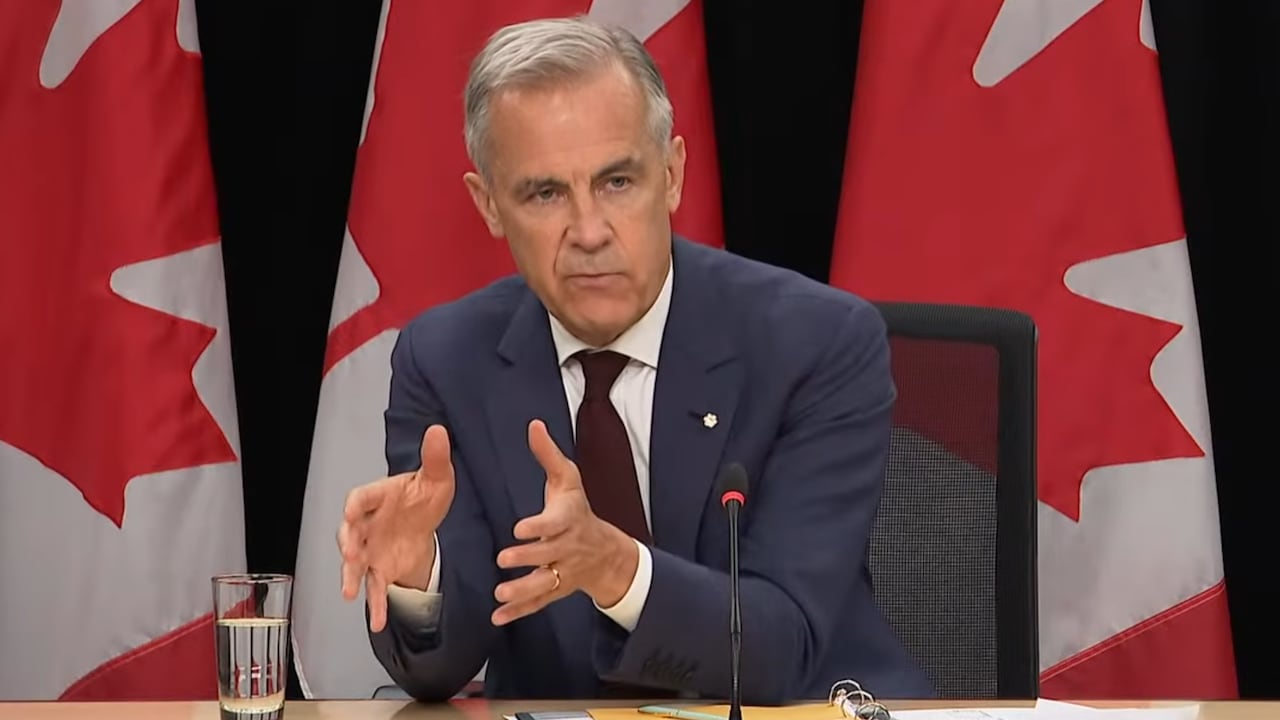
Prime Minister Mark Carney and Premier David Eby announced a $1.45 billion plan to purchase over 2,200 unsold condo units in B.C. at below-market rates for conversion to affordable rent-to-own housing, explicitly excluding Vancouver proper while targeting Fraser Valley, Okanagan and Vancouver Island markets where developers face distress.
Grosvenor has scrapped the economically unviable 2020 rezoning plan for the former TransLink bus depot at 41st and Oak, submitting a new proposal that nearly doubles the residential density to 3,000 homes with a dramatic shift toward secured purpose-built rental housing. This revision signals how rising construction and financing costs are forcing developers to pivot from strata-focused projects to rental-heavy portfolios in Vancouver’s transit-oriented Cambie Corridor.