
South Vancouver's New 'Qualified Homes': What the $1,960-$3,614 Rental Tier Means for Buyers Stuck in the Middle
Share
News article poster
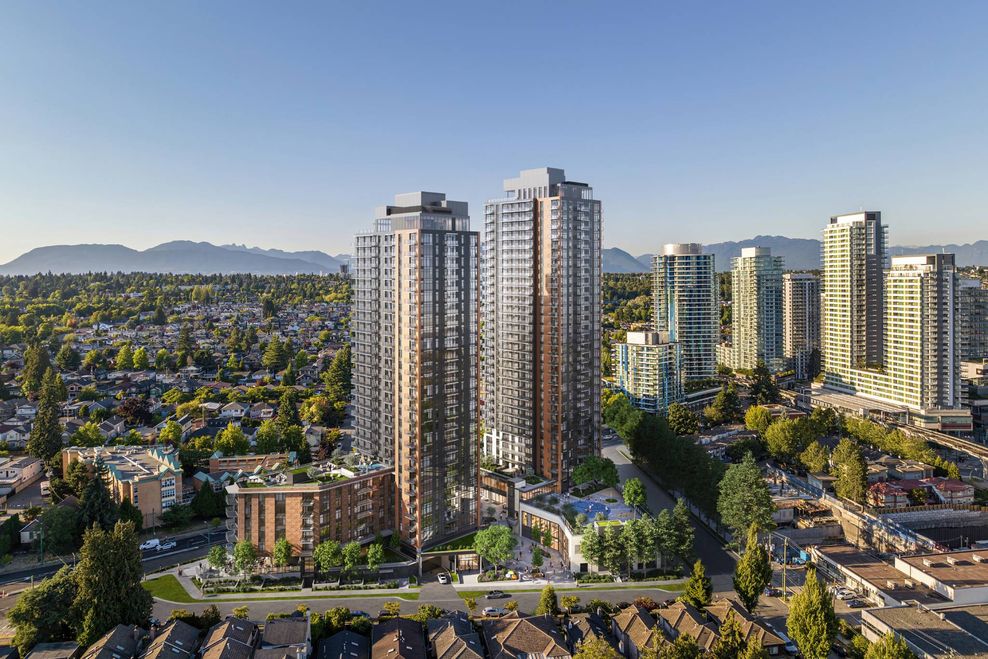
Chard Development's The Cascades, located steps from the Marine Drive Canada Line Station in South Vancouver, has begun accepting applications for its Qualified Homes program as of September 2026. These units—ranging from studios to three bedrooms—are priced between $1,960 and $3,614 per month, with eligibility tied strictly to household income thresholds. A household's combined gross annual worldwide income must not exceed four times the annual rent at the time of application. For context, a single person earning $60,000 annually qualifies for a studio, while a couple earning $120,000 combined would need to apply for a two-bedroom unit where the income cap rises to $127,056. Applicants must be Canadian citizens, permanent residents, or refugees with 12 consecutive months of British Columbia residency.
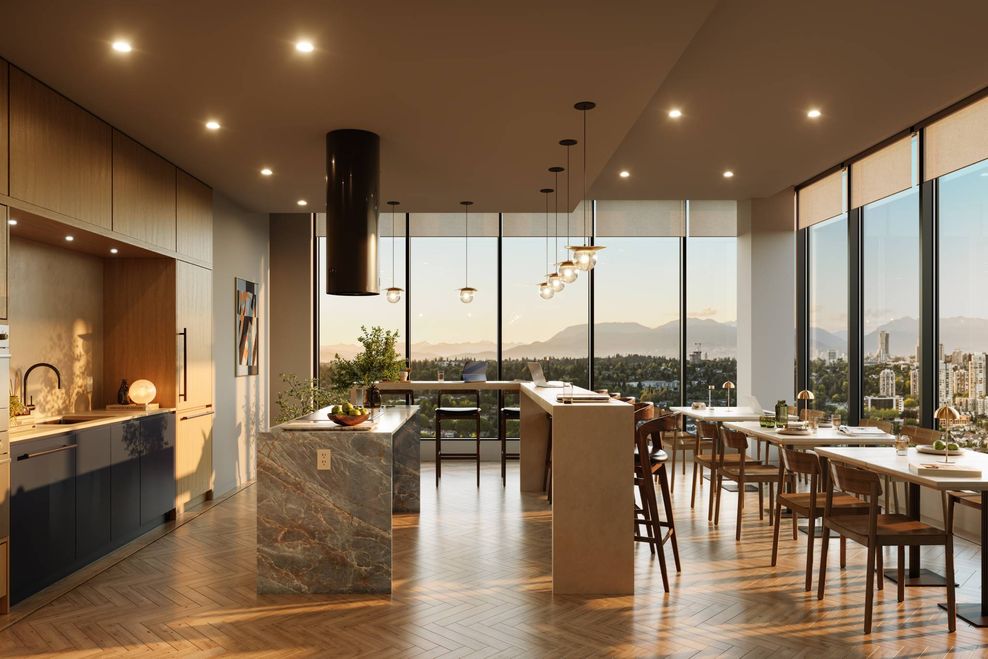
The Qualified Homes model represents a specific niche in Vancouver's housing ecosystem: targeted at households that earn too much for subsidized supportive housing but find market-rate rentals financially constraining. Unlike traditional affordable housing with income caps tied to area median income percentages, The Cascades uses a direct rent-to-income multiplier. The project blends these units seamlessly with market-rate rentals—residents share identical finishes, in-suite laundry, smart-home climate control, and full access to amenities including a sauna-equipped gym, rooftop chef's kitchen, sports court, pet wash station, co-working space, and karaoke lounge. The building also anchors a 17,000-square-foot retail plaza connecting Marine Drive to West 70th Avenue, with a walk score of 90.

Lena Nguyen Commentary
From a senior Greater Vancouver agent's perspective, The Cascades illustrates how the region's housing conversation is shifting from binary owner-renter divides toward more granular tiers. The "Qualified Home" label is essentially a marketing term for income-restricted market housing—a category that's existed but rarely branded this explicitly. For clients, the practical takeaway is verifying what happens at year five: income reverification can be a soft check or a hard exit, and the lease language matters more than the brochure. Investors near Marine Drive should watch whether this model expands, as clustered income-restricted supply can affect neighbourhood rent benchmarks. The location itself—Canada Line adjacent with airport access—has held value through multiple cycles. This project doesn't reshape that fundamentals story, but it does give certain households a cleaner bridge between instability and eventual ownership.