
Nurses' Strike Expands to Vancouver Island: What Healthcare Disruption Means for Victoria and Nanaimo Real Estate
Share
News article poster
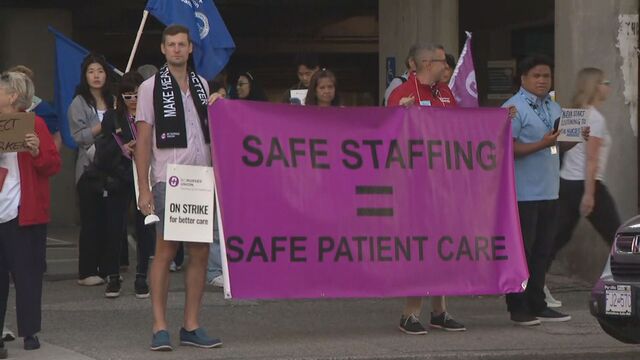
The BC Nurses' Union has expanded its job action to Vancouver Island after two weeks of picketing at mainland hospitals. As of Monday, picket lines are active at Nanaimo Regional General Hospital, following Sunday's action in Victoria. The strike, which began July 2 at Vancouver General Hospital, Surrey Memorial Hospital, and the Jim Pattison Outpatient Care and Surgery Centre, now threatens to disrupt healthcare access across the Island. BC Nurses' Union president Adriane Gear confirmed more job action is planned across Vancouver Island this week, citing over 2,300 formal complaints against health employers regarding alleged intimidation and interference with union activities.

The escalation comes after the provincial government appointed veteran mediators Vince Ready and Amanda Rogers to facilitate negotiations, though Gear reported no meetings had occurred as of Sunday. Island Health issued a statement acknowledging nurses' collective bargaining rights while assuring the public that essential service protocols are in place. However, the expansion to Nanaimo—a key Vancouver Island real estate market with significant retiree and family demographics—signals potential prolonged disruption. The union has also filed unfair labour practice applications with the Labour Relations Board, suggesting the dispute may extend beyond typical contract negotiations into workplace governance issues.
Question
If I'm considering buying a condo in Victoria or a rental property near Nanaimo Regional General Hospital, should the ongoing strike and potential healthcare delays affect my decision timeline or target location?
Insight
 Zhonglei Wang thinks
For buyers specifically targeting Vancouver Island, the strike introduces a short-term livability variable rather than a structural market shift. Victoria and Nanaimo remain fundamentally constrained by geography and desirability, but the healthcare disruption creates a due diligence window. Buyers with immediate medical needs or those purchasing for aging parents should verify current emergency room wait times and specialist availability before removing subjects. Investors near hospital precincts might see temporary softening in tenant demand from healthcare workers if the strike extends, though this typically recovers once labor disputes resolve. The practical move is not to abandon these markets, but to negotiate closing dates that account for potential service disruptions and to confirm with your realtor which neighborhoods have alternative healthcare access.
The union's focus on Vancouver Island appears strategically targeted, with Gear specifically citing "concerning behaviours" by Island Health management as a factor in site selection. This suggests the dispute may intensify in this region before resolution. For Nanaimo specifically—a market that has seen increased interest from mainland buyers seeking relative affordability—the strike highlights infrastructure vulnerabilities that differ from Greater Vancouver's healthcare network. The timing also coincides with peak summer real estate season on Vancouver Island, when retiree buyers and vacation property investors typically conduct due diligence. Island Health's assurance that people "not delay seeking medical care" indicates awareness of community anxiety, yet the reality of reduced services during job action cannot be fully mitigated by administrative protocols.
Question
As a landlord with properties rented to healthcare workers in Victoria, or as a seller preparing to list a home near Nanaimo Regional General Hospital, how should I interpret tenant stability and buyer interest during this labor dispute?
Insight
Zhonglei Wang thinksLandlords renting to nurses or hospital staff should anticipate potential rent payment delays if the strike extends without strike pay provisions, though most healthcare workers maintain financial reserves during labor actions. More significantly, sellers listing properties within walking distance of affected hospitals may encounter buyer hesitation from those relocating specifically for healthcare access—particularly retirees or families with medical needs. However, this creates a narrow opportunity for local buyers less dependent on immediate hospital proximity. The key is transparency: disclose known service disruptions without speculation, and price competitively if your property's value proposition heavily relied on "steps to hospital" marketing. For investors, this is a reminder that Vancouver Island's healthcare infrastructure, while adequate in normal times, lacks the redundancy of Metro Vancouver's multi-hospital network.
Sources reviewed
Zhonglei Wang Commentary
From a senior Greater Vancouver agent's perspective, this strike illustrates how quickly regional infrastructure stress can shift buyer priorities on Vancouver Island. Victoria and Nanaimo markets have benefited from mainland migration seeking lifestyle and relative value, but healthcare access remains the unglamorous factor that drives relocation regret. This isn't a market crash signal—it's a reminder that due diligence must include service infrastructure, not just granite countertops. Clients considering Island purchases right now should ask harder questions about emergency protocols and specialist wait times. The strike will resolve eventually, but the data points it reveals about Island Health's operational resilience are worth remembering for future valuation models.